
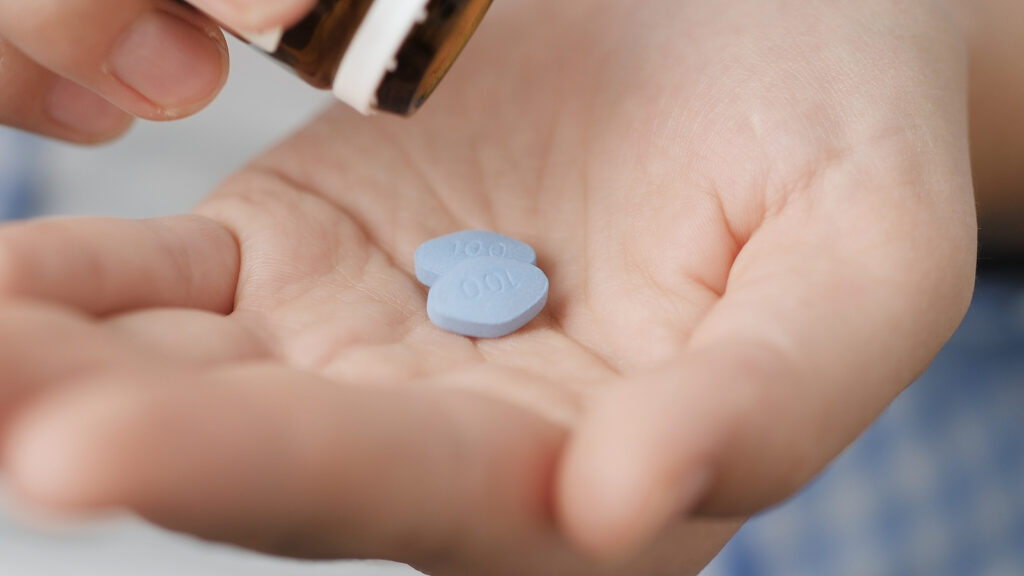
If you’re considering sildenafil tablets for erectile dysfunction (ED), one of the most common questions is: what dosage should I take? It’s a fair concern: too little may not give the desired effect, while too much can increase the risk of side effects.
Here, we look at how sildenafil dosing works, what affects the right dose for you, and what to expect.
It is important to note that this article is for general information only and does not constitute medical advice. Always consult a qualified healthcare professional before starting or adjusting any medication.
Understanding sildenafil dosages
Sildenafil is typically available in three standard strengths:
- 25 mg
- 50 mg
- 100 mg
For most men, the starting dose is 50 mg, taken around 30 – 60 minutes before sexual activity. However, this isn’t a one-size-fits-all solution. Your ideal dosage depends on how your body responds, as well as individual health factors.
Starting low vs starting standard
While 50 mg is the most commonly prescribed starting point, some men may begin at a lower dose.
You may start at 25 mg if:
- You’re over 65
- You have certain medical conditions (such as kidney or liver issues)
- You’re taking medications that may interact with sildenafil
You may be prescribed 100 mg if:
- 50 mg hasn’t been effective
- You’re otherwise healthy and tolerate the medication well
The goal is simple: find the lowest effective dose that works for you.
How to know if your sildenafil dose is right
A suitable sildenafil dosage should:
- Help you achieve and maintain an erection during sexual activity
- Produce minimal or manageable side effects
Signs your sildenafil dose may be too low:
- Little to no effect after multiple attempts
- Difficulty maintaining an erection
Signs your sildenafil dose may be too high:
- Headaches
- Flushing
- Dizziness
- Visual disturbances
If you experience side effects that feel strong or uncomfortable, it’s a sign to speak to a healthcare provider about adjusting your dose.
Why sildenafil might not work at first
Before increasing your dosage, it’s worth understanding that sildenafil doesn’t always work perfectly the first time.
Common reasons include:
- Taking it on a full stomach (which slows absorption)
- Not allowing enough time for it to take effect
- Lack of sexual stimulation (it doesn’t work automatically)
- Anxiety or performance pressure
Many men need to try sildenafil several times before finding the right rhythm and conditions.
Sildenafil timing and usage tips
Getting the dosage right is only part of the equation; how you take sildenafil matters too.
For best results:
- Take it on an empty stomach or after a light meal
- Allow 30 – 60 minutes before sexual activity
- Avoid excessive alcohol, which can reduce effectiveness
- Don’t take more than one dose in a 24-hour period
These small adjustments can make a noticeable difference, even without changing your dosage.
Can you adjust the sildenafil dose yourself?
It’s not a good idea to self-adjust your dosage without guidance. Even though sildenafil is widely used, it’s still a prescription medication for a reason.
Factors like underlying health conditions, blood pressure, and medication interactions all play a role in determining what’s safe. If your current dose isn’t working, the right move is to consult a clinician, not simply increase it on your own.
Safety considerations
Sildenafil is generally safe for most men, but it’s not suitable for everyone.
You should avoid it or seek medical advice if you:
- Take nitrate medications (commonly used for chest pain)
- Have serious heart or blood pressure conditions
- Have been advised to avoid sexual activity for medical reasons
Side effects are usually mild, but any severe or unusual symptoms should be taken seriously.
Finding what sildenafil dose works for you
There’s no magic dose that works for everyone. What matters is finding a balance between effectiveness and comfort. For many men, that ends up being 50 mg, but for others, 25 mg is enough, or 100 mg is needed for consistent results.
The process may take a little trial and adjustment, but with the right guidance, most men find a solution that works reliably. Start with a medically appropriate dose, pay attention to how your body responds, and make any adjustments with professional input.
And finally, a reminder that this guide is for informational purposes only and should not replace advice from a qualified healthcare provider. If you’re unsure about the right dosage for you, speaking to a clinician is the safest and most effective next step.