
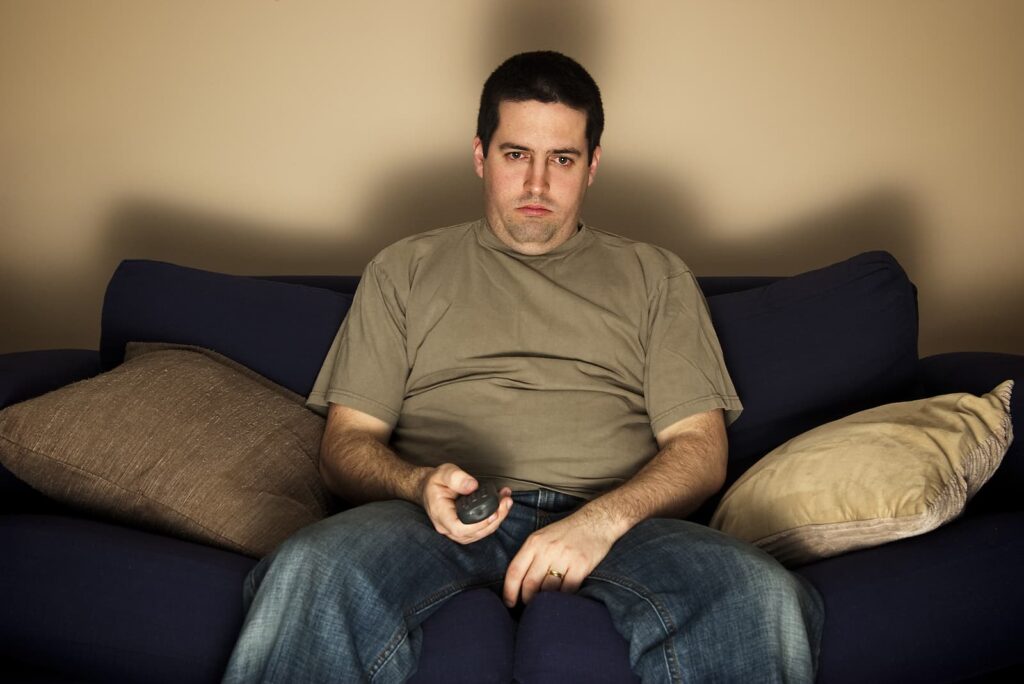
Being overweight can affect more than physical appearance and general fitness. It can also influence men’s sexual health, increasing the risk of erectile dysfunction (ED).
Excess weight is associated with several conditions that can interfere with normal erectile function, including high blood pressure, type 2 diabetes, cardiovascular disease and hormonal imbalances.
Understanding the connection between body weight and erectile function can help men recognise potential risk factors and take steps to protect their sexual health.
How does excess weight affect erectile function?
An erection depends on healthy blood circulation. During sexual arousal, blood vessels in the penis relax and widen, allowing blood to flow into erectile tissue. Anything that interferes with this process can make achieving or maintaining an erection more difficult.
Excess weight can affect circulation in several ways.
- Carrying additional body fat, particularly around the abdomen, is associated with increased inflammation and a higher risk of metabolic conditions. These can damage the lining of blood vessels, making them less effective at regulating blood flow.
- Being overweight is also associated with a greater risk of atherosclerosis, where fatty deposits build up inside arteries and restrict circulation. If blood flow to the penis is reduced, erectile difficulties may develop.
This is one reason why men with obesity are more likely to experience ED than men at a healthier weight.
Can being overweight affect testosterone levels?
Weight can also influence the hormones involved in male sexual function. Testosterone plays an important role in libido, sexual desire and erectile health. Research has found an association between obesity and lower testosterone levels in men.
Excess abdominal fat is particularly relevant because fat tissue contains an enzyme called aromatase, which converts some testosterone into oestrogen. Increased activity of this enzyme can contribute to hormonal changes.
Lower testosterone may lead to reduced sexual desire, fatigue, changes in mood and difficulties with sexual performance.
However, erectile dysfunction isn’t always caused by low testosterone. Blood circulation, nerve function, psychological wellbeing and other health conditions can all contribute.
What other health problems link weight and erectile dysfunction?
Excess weight can increase the likelihood of developing several conditions that are independently associated with erectile dysfunction.
These include:
- Type 2 diabetes: High blood glucose can damage the blood vessels and nerves involved in achieving an erection.
- High blood pressure: Hypertension can damage arteries and restrict blood flow throughout the body, including to the penis.
- High cholesterol: Elevated cholesterol can contribute to narrowed arteries and reduced circulation.
- Cardiovascular disease: Conditions affecting the heart and blood vessels can interfere with normal erectile function.
- Sleep apnoea: This condition is associated with obesity and can contribute to fatigue, hormonal changes and sexual difficulties.
These risk factors can overlap, meaning men carrying excess weight may face several potential contributors to erectile dysfunction at the same time.
Can losing weight improve erectile dysfunction?
For some men, losing excess weight can improve erectile function, particularly when ED is associated with metabolic health problems or restricted circulation.
Regular physical activity can support cardiovascular fitness, improve blood flow and help regulate blood pressure and blood glucose. It can also contribute to better weight management and overall energy levels.
A balanced diet is equally important. Eating more vegetables, fruit, wholegrains and lean protein, while limiting highly processed foods, can support metabolic and cardiovascular health.
Other useful lifestyle changes include:
- Reducing alcohol consumption
- Stopping smoking
- Getting sufficient quality sleep
- Managing stress
- Maintaining a consistent exercise routine
Even relatively modest weight loss can improve certain metabolic risk factors, although improvements in erectile function will vary between individuals.
What treatments are available for erectile dysfunction?
Lifestyle changes can make a difference, but they don’t resolve every case of ED. Men who continue to experience difficulties may benefit from prescription treatment.
Common options include sildenafil and tadalafil (the cheap generic version of Cialis), which belong to a group of medicines called PDE5 inhibitors. They work by helping relax blood vessels and increasing blood flow to the penis during sexual stimulation.
Both can be effective treatments for erectile dysfunction, including cases associated with obesity and related health conditions. However, they aren’t suitable for everyone and require appropriate medical assessment.
If you’re experiencing recurring erection difficulties, speaking to a healthcare professional can help identify possible underlying causes and establish an appropriate treatment plan.
Being overweight doesn’t mean erectile dysfunction is inevitable. Addressing weight-related health risks, making sustainable lifestyle changes and exploring suitable treatments can all help men maintain their sexual health and overall wellbeing.