
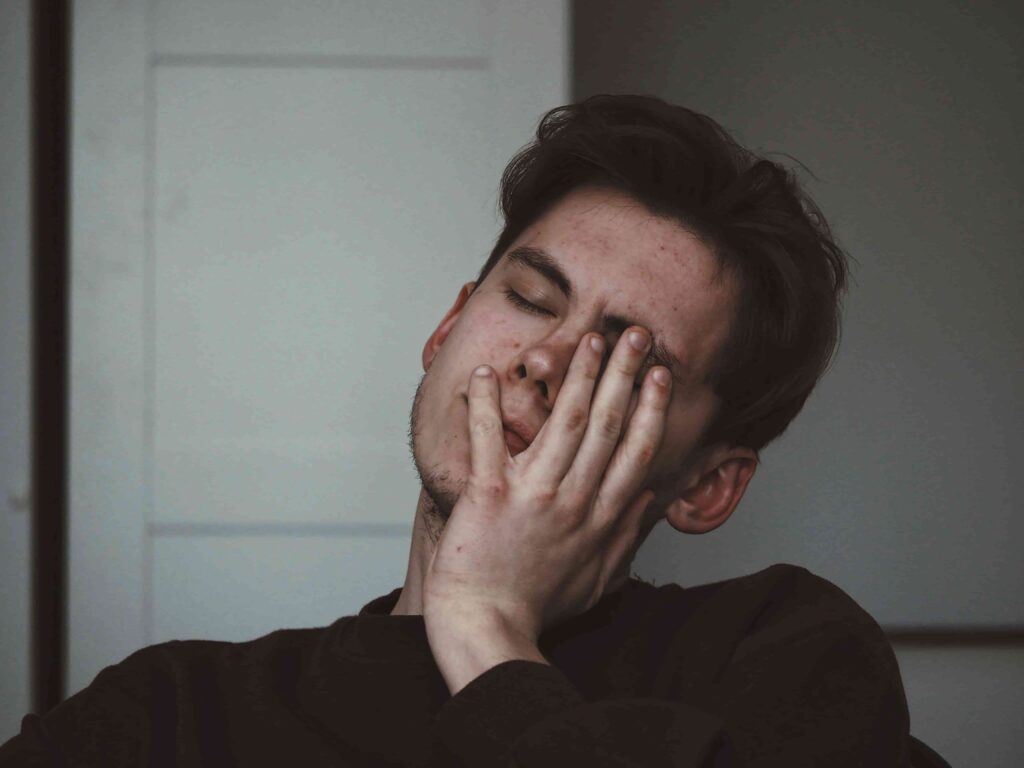
Erectile dysfunction (ED) and mental health are closely connected. Stress, anxiety, depression and relationship difficulties can all affect a man’s ability to achieve or maintain an erection.
Equally, experiencing erection problems can undermine confidence, increase anxiety and contribute to low mood. This can create a cycle in which psychological distress and sexual difficulties reinforce each other.
However, ED is not always psychological. Physical conditions affecting blood flow, nerves or hormone levels can also contribute, and many men experience a combination of physical and psychological factors.
It’s important to bear in mind that erectile dysfunction is often manageable. Understanding the possible causes is an important first step towards finding an effective treatment.
Depending on the underlying cause, options include lifestyle changes, psychological support, prescription medication and topical treatments. For many men, addressing both physical health and emotional wellbeing offers the best chance of improvement.
How are erectile dysfunction and mental health connected?
An erection is a physical response, but it depends on the brain, nervous system, blood vessels and hormones working together.
Sexual arousal triggers signals from the brain and nerves that help relax the smooth muscle in the penis, allowing blood to flow into erectile tissue and produce an erection.
Stress and anxiety can interfere with this process. When someone feels threatened, under pressure or worried about a particular outcome, the body’s stress response can make relaxation and sexual arousal more difficult.
For example, a man who is concerned about his performance during sex may become preoccupied with whether he will achieve an erection. Instead of concentrating on physical sensations and intimacy, he starts monitoring his own performance.
This heightened self-awareness can increase anxiety and make an erection more difficult to achieve or maintain.
Depression can also affect sexual function. Persistent low mood, fatigue, reduced motivation and a loss of interest in activities can diminish sexual desire and interfere with arousal. Some antidepressants can contribute to sexual difficulties, including erectile dysfunction.
Research supports a two-way relationship between ED and depression. A systematic review and meta-analysis published in The Journal of Sexual Medicine examined 49 publications and found an association between depression and increased odds of ED, as well as between ED and increased odds of depression.
The researchers reported an odds ratio of 1.39 for depression in relation to ED and 2.92 for ED in relation to depression. These figures demonstrate an association, not proof that one condition directly causes the other in every case.
In practice, a man may develop ED because of depression, experience depression as a consequence of persistent erection problems, or experience both for related or independent reasons.
Can stress and anxiety cause erectile dysfunction?
Yes, stress and anxiety can cause erectile dysfunction, even in men who are otherwise physically healthy.
Occasional erection difficulties are common and may happen after a particularly stressful day, a period of poor sleep, excessive alcohol consumption or an experience that undermines sexual confidence.
These isolated incidents do not necessarily indicate a long-term problem. Persistent stress, however, can have a more substantial effect on sexual function.
Common triggers include:
- Work-related pressure: Heavy workloads, financial worries, job insecurity and long working hours can make it difficult to switch off and relax.
- Performance anxiety: Worrying about satisfying a partner, maintaining an erection or experiencing another episode of ED can interfere with arousal.
- Relationship difficulties: Conflict, unresolved resentment, communication problems or a lack of emotional intimacy can affect sexual desire and confidence.
- Generalised anxiety: Persistent worrying can make it difficult to remain present during sexual activity.
- Major life changes: Bereavement, becoming a parent, relationship breakdown or other significant events can affect mood and sexual function.
One of the most common patterns is the development of performance anxiety following an isolated erection problem. A man may lose his erection once because he is tired or distracted. The next time he has sex, he worries that it will happen again.
That worry makes him more anxious, increasing the likelihood of another difficulty. Eventually, the fear of ED can become a problem in its own right.
This does not mean that the symptoms are imaginary. Psychological factors can produce genuine physical changes that affect erectile function.
Learning to reduce performance pressure, manage stress and approach sexual activity without treating an erection as a test can help break this cycle.
The psychological root of erectile dysfunction in men
There is no single psychological root of erectile dysfunction. The causes vary between individuals, and several may be present at once.
Performance anxiety is a particularly common factor. Men may feel that they must achieve an erection immediately, maintain it throughout sex and satisfy their partner.
These expectations can turn an intimate experience into a perceived test of masculinity or sexual competence.
Low self-esteem and negative body image can also affect erectile function. A man who feels insecure about his appearance, age, sexual experience or perceived attractiveness may find it harder to relax during intimacy.
Depression and low mood can reduce sexual interest, energy and motivation. Some men may still want to have sex but struggle with arousal or erections.
Past negative sexual experiences may contribute to anticipatory anxiety. Previous episodes of ED, embarrassment, rejection or sexual trauma can influence how someone approaches future intimacy.
Relationship problems can affect both desire and physical arousal. A man who feels emotionally disconnected from his partner, fears rejection or is experiencing ongoing conflict may find sexual activity more difficult.
Finally, stress and mental overload can affect attention. Sexual arousal often depends on being able to focus on pleasurable sensations and emotional connection. When the mind is occupied by work, financial worries or other concerns, that focus can be harder to maintain.
Importantly, psychological ED does not mean that a man lacks attraction to his partner. Nor does it necessarily indicate a relationship problem. It is a genuine health issue that can arise from a range of emotional and situational factors.
Types of erectile dysfunction: physical, psychological and mixed
Erectile dysfunction is commonly classified into three broad types, although the categories can overlap.
1. Physical erectile dysfunction
Physical, or organic, ED results from problems affecting the body’s ability to produce or maintain an erection.
Possible causes include:
- Cardiovascular disease and reduced blood flow
- High blood pressure and high cholesterol
- Diabetes and associated nerve or blood vessel damage
- Hormonal problems, including low testosterone in some men
- Neurological conditions or injuries affecting the nerves involved in erections
- Side effects of certain medicines
- Smoking, excessive alcohol consumption, inactivity and other lifestyle factors
Because erections depend on healthy blood vessels, ED can sometimes be an early indicator of cardiovascular or metabolic health problems. Persistent symptoms should therefore not automatically be attributed to stress.
2. Psychological erectile dysfunction
Psychological, or psychogenic, ED occurs when emotional, cognitive or relationship factors play a primary role in erection difficulties. Examples include performance anxiety, depression, chronic stress and fear following a previous episode of ED.
A man with predominantly psychological ED may find that erection difficulties occur in particular situations, such as with a partner, but not during masturbation or upon waking. This can provide a useful clue, although it is not definitive proof of the cause.
3. Mixed erectile dysfunction
Mixed ED involves both physical and psychological factors and is common in clinical practice.
For example, a man with diabetes may experience changes in blood flow or nerve function that make erections less reliable. After several difficult sexual experiences, he may develop performance anxiety, which further affects his ability to achieve an erection.
Treating only one part of the problem may not fully resolve the symptoms. A combined approach addressing physical health, psychological wellbeing and sexual confidence may be more effective.
The European Association of Urology’s guidance emphasises that ED assessment should consider medical history, sexual history, physical health and psychological factors rather than assuming that all cases fit neatly into one category.
How to know if my erectile dysfunction is physical or psychological?
There is no reliable way to determine the cause of erectile dysfunction from symptoms alone. However, certain patterns can help indicate which factors might be involved.
- You have normal erections in some situations but not others. If you can achieve erections during sleep, on waking or during masturbation but experience difficulties with a partner, situational factors such as performance anxiety may be contributing.
- Your ED started suddenly after a stressful event. Erection difficulties that begin following a period of stress, an upsetting sexual experience or a relationship problem may be linked to psychological factors.
- Your erections have gradually become less reliable. If difficulties develop over time and occur in different situations, a physical cause or a combination of physical and psychological factors should be considered.
- You have other symptoms affecting your mood or sex drive. Reduced libido, persistent low mood or anxiety may indicate that mental health or hormonal factors are playing a role.
- You have underlying health conditions or lifestyle risk factors. Diabetes, high blood pressure, smoking and cardiovascular risk factors can affect blood flow and contribute to erectile dysfunction.
- You experience erection difficulties in almost every situation. Problems during partnered sex and masturbation may suggest a physical or mixed cause, although psychological factors can also affect erections across different situations.
These are clues rather than diagnostic rules. Men with physical ED can still experience normal morning erections, while men with psychological ED may have difficulties in multiple situations. Sleep quality, alcohol, medication and the severity of anxiety can also influence the pattern.
If you are wondering whether your ED is physical or psychological, consider when the problem began, how frequently it occurs, whether it happens in every situation and whether other symptoms have developed.
A GP or qualified clinician can review your medical and sexual history, medications, mental health and lifestyle.
Depending on the circumstances, they may check blood pressure and request blood tests for conditions such as diabetes, abnormal cholesterol or low testosterone.
Seeking assessment is particularly important when ED is persistent, worsening or unexplained, or when it occurs alongside other health changes. You do not need to wait until the problem becomes severe before asking for help.
Causes of erectile dysfunction in your 20s
Erectile dysfunction is often associated with older age, but younger men can experience it too. In men in their 20s, psychological factors may be particularly relevant, although physical causes should not be overlooked.
Possible causes include:
- Performance anxiety: Worry about sexual performance, particularly in a new relationship or after an earlier episode of ED.
- Stress and poor sleep: Work, education, financial pressures and irregular sleep patterns can affect sexual function.
- Depression and anxiety disorders: These conditions can affect desire, arousal, confidence and concentration.
- Alcohol and recreational drugs: Excessive drinking and some recreational substances can interfere with erections.
- Pornography-related concerns: Some men report difficulties transferring arousal from particular viewing habits to partnered sex. However, pornography use does not automatically cause ED, and evidence about its effects is complex.
- Physical health conditions: Diabetes, hormonal disorders, neurological problems and cardiovascular risk factors can affect younger men as well.
- Medication side effects: Certain antidepressants and other medicines can affect sexual function.
ED in your 20s does not mean that you have permanently lost your ability to achieve an erection. Situational difficulties can improve when the contributing factors are addressed.
Nevertheless, recurring symptoms deserve attention, even if you are young, fit and otherwise healthy. Do not assume that erection problems are caused by anxiety simply because serious physical illness seems unlikely.
Signs of erectile dysfunction in your 30s
Men in their 30s may experience ED for psychological, physical or mixed reasons. Career pressures, young families, relationship changes, poor sleep and stress can all contribute, but lifestyle and medical factors may also become more relevant.
Possible signs include:
- Finding it harder to achieve an erection than previously
- Losing an erection before or during sex
- Experiencing inconsistent erections despite feeling sexually interested
- Noticing a reduction in spontaneous or morning erections
- Avoiding intimacy because of concerns about sexual performance
- Feeling increasingly anxious or frustrated about sex
An occasional erection difficulty is not necessarily a sign of ED. Persistent or recurrent problems are more significant.
It is also important to recognise that ED is not an inevitable part of getting older. Although the likelihood of erectile difficulties increases with age, men in their 30s should not dismiss ongoing symptoms as normal.
If erection problems are accompanied by chest discomfort during exertion, unexplained breathlessness or other cardiovascular symptoms, seek prompt medical advice. Severe or sudden chest pain requires emergency assessment.
Managing erectile dysfunction and depression naturally
Managing erectile dysfunction and depression naturally involves supporting both physical health and mental wellbeing. Lifestyle changes can be helpful, but they should complement rather than replace appropriate medical care.
1. Exercise regularly
Physical activity supports cardiovascular health, circulation, sleep and mood. These benefits can be relevant to erectile function, particularly where inactivity or metabolic risk factors contribute to ED.
Aim to build towards the NHS recommendation of at least 150 minutes of moderate-intensity activity each week, alongside strength-building activities on two days, if appropriate for your health.
Walking, cycling, swimming and resistance training are practical options. Start gradually if you have been inactive for some time.
2. Improve sleep quality
Poor sleep can contribute to fatigue, low mood and reduced sexual interest. Sleep disorders may also be associated with erectile difficulties.
Try to maintain a consistent sleep schedule and allow sufficient time for rest. If you regularly snore heavily, wake unrefreshed or experience excessive daytime sleepiness, ask a healthcare professional whether a sleep disorder should be investigated.
3. Eat a balanced diet
A balanced diet rich in vegetables, fruit, wholegrains, pulses, nuts and healthy sources of fat supports cardiovascular and metabolic health.
There is no single food that reliably cures ED. However, dietary habits that help manage weight, blood pressure, cholesterol and blood glucose may improve some of the physical factors associated with erectile dysfunction.
4. Reduce alcohol and avoid recreational drugs
Alcohol can temporarily interfere with erections, particularly when consumed in large amounts. Recreational drugs may also affect sexual function and overall health.
Reducing alcohol consumption and avoiding non-prescribed substances may help identify whether they are contributing to the problem.
5. Practise stress management
Relaxation techniques, mindfulness, breathing exercises and regular breaks from work may help reduce stress and make it easier to focus on intimacy.
These strategies are most useful when practised consistently rather than only immediately before sex. If anxiety is persistent or affects other areas of life, professional psychological support may be beneficial.
6. Address depression directly
Exercise, social connection, sleep routines and enjoyable activities may support mental wellbeing, but they are not substitutes for treatment when depression is persistent or severe.
If you are experiencing ongoing low mood, loss of interest, hopelessness or difficulty functioning, speak to a GP or mental health professional.
If you suspect that an antidepressant is affecting your erections, ask the prescriber about possible alternatives. Do not stop prescribed medication abruptly.
Natural approaches can improve the conditions that support sexual health, but they cannot guarantee that ED will resolve without other treatment.
Psychological erectile dysfunction self-treatments
Men experiencing psychologically driven ED can take practical steps to reduce pressure and rebuild confidence. These approaches may be particularly helpful when erection difficulties begin after a stressful event or an isolated sexual experience.
Remove the pressure to perform. Try not to treat every sexual encounter as a test of whether your erections have returned to normal. Focusing constantly on erection firmness can increase anxiety.
Allow intimacy to develop without making penetration or maintaining an erection the only measure of success.
Focus on physical sensations. Paying attention to touch, closeness, breathing and pleasurable sensations can help redirect attention away from worries about performance. Some couples find it useful to agree that intimacy does not need to lead to intercourse.
Communicate with your partner. If you feel comfortable doing so, explain that erection difficulties can occur for many reasons and do not necessarily reflect attraction or desire. Open communication can reduce misunderstandings and help both partners feel less pressure.
Challenge unhelpful thoughts. Thoughts such as “It will happen again” or “I have to perform perfectly” can increase anticipatory anxiety. Recognising these thoughts and responding to them more realistically may help break the cycle.
Seek professional support when needed. Self-help strategies may be sufficient for occasional, mild difficulties, but persistent anxiety, depression or relationship distress may require more structured treatment.
These approaches are not a test of willpower. If self-treatment is not enough, that does not mean you have failed. It means you may benefit from additional support.
Psychological erectile dysfunction treatments
Professional treatment depends on the factors contributing to ED. Where psychological difficulties are prominent, therapy may be recommended alone or alongside medication.
Cognitive behavioural therapy (CBT)
CBT helps people identify patterns of thinking and behaviour that contribute to distress. For ED, this might involve challenging catastrophic predictions, reducing performance-related self-monitoring and developing more helpful responses to sexual anxiety.
Psychosexual therapy
Psychosexual therapy focuses on sexual concerns, expectations, experiences and behaviours. It may help men understand the relationship between anxiety, arousal and erections, while developing strategies to reduce pressure during intimacy.
Couples or relationship therapy
When relationship conflict, communication difficulties or emotional disconnection contribute to sexual problems, working with a partner may be helpful. This does not mean that every case of ED is a relationship issue; individual therapy may be more appropriate in some circumstances.
Treatment for depression and anxiety
If ED occurs alongside depression or an anxiety disorder, treating the underlying mental health condition is important. Options may include talking therapies, medication or a combination, depending on individual needs.
Some antidepressants can themselves cause sexual side effects, so treatment choices should take sexual function into account where possible.
Psychological support can also be combined with medical treatment to address both the emotional and physical aspects of the problem.
Is there a cure for psychological erectile dysfunction?
Psychological erectile dysfunction can improve substantially and may resolve when the underlying factors are addressed. However, there is no single cure that works for every man.
If erection difficulties are mainly linked to a temporary period of stress, reducing that stress and rebuilding confidence may be enough to restore normal sexual function.
If performance anxiety has developed into a persistent pattern, CBT or psychosexual therapy may help change the thoughts and behaviours that maintain it.
Where depression, relationship difficulties or another mental health condition is involved, treating that issue may also improve sexual function.
Some men benefit from erectile dysfunction medication while working through psychological factors. Having a reliable treatment option can reduce fear of another unsuccessful sexual encounter, although medication does not directly treat the underlying anxiety or depression.
It is equally important to investigate possible physical contributors. Psychological and physical causes often overlap, so an improvement in confidence does not necessarily mean that all underlying health issues have been resolved.
Rather than looking for a guaranteed cure, the most useful approach is to identify the factors contributing to ED and develop a treatment plan that addresses them.
Can erectile dysfunction medication help if the cause is psychological?
Yes. ED medication can help some men whose erection difficulties are primarily psychological, provided the medicine is medically suitable for them.
Sildenafil (the cheap generic version of Viagra) and tadalafil (the cheap generic version of Cialis) improve the physiological response needed for an erection.
This can help when anxiety makes it harder to achieve or maintain one, even though the medicine does not remove the underlying psychological trigger.
For some men, successful sexual experiences while using medication can help rebuild confidence and reduce the fear of failure. For others, anxiety may continue despite improved erectile function, meaning that psychological support remains important.
Medication is not a replacement for assessing persistent ED or treating depression and anxiety. A combined approach may be particularly useful when psychological and physical factors overlap.
It is also important to use medication correctly. Timing, sexual stimulation, food and individual response can affect the experience of treatment. If a medicine does not work as expected, do not increase the dose or combine products without professional advice.
When should you seek help for erectile dysfunction?
Consider speaking to a GP or qualified healthcare professional if erection difficulties keep recurring, are getting worse or are affecting your confidence and relationships.
An assessment is particularly important if ED develops alongside reduced sexual desire, fatigue, other unexplained symptoms or risk factors such as diabetes, high blood pressure and smoking.
A healthcare professional can help distinguish potential causes, review medicines and identify any underlying conditions that need treatment.
You can also discuss the psychological impact of ED without embarrassment: it is a recognised health concern, not a personal failing.
For many men, improvement comes from a combination of approaches: addressing underlying health concerns, reducing performance pressure, seeking psychological support where appropriate and considering suitable ED medication.
If erection problems are persistent, there is no need to struggle in silence or wait for them to worsen. Understanding the possible causes is the first step towards finding an approach that works for you.